Artistic work is deeply influenced by environment, and in Fairfield County, temperature control plays a subtle yet powerful role in shaping creativity. Whether in private studios, shared workspaces, or galleries, artists rely on stable indoor conditions to focus, experiment, and produce consistent results. Temperature fluctuations can disrupt concentration, affect materials, and even alter the outcome of certain artistic processes. By maintaining a balanced climate, artists are better able to immerse themselves in their craft without distraction, allowing creativity to flow more naturally and efficiently.
Protecting Materials and Mediums
Many artistic materials are highly sensitive to temperature and humidity changes. Paints can dry too quickly or too slowly, canvases may expand or contract, and certain mediums like clay, wood, and textiles can warp or degrade under unstable conditions. For photographers and digital artists, excessive heat can impact equipment performance, while humidity can damage prints and stored works. Proper temperature control ensures that materials remain in optimal condition, preserving both the integrity of the artwork and the artist’s intended vision. This level of consistency is especially important for professionals who depend on predictable results in their creative process.
Enhancing Focus and Productivity
Comfortable indoor environments are essential for maintaining focus during long hours of creative work. Artists often spend extended periods in their studios, and even minor discomfort can become a significant distraction over time. A space that is too warm may lead to fatigue, while a cold environment can make it difficult to concentrate or handle delicate tools. Effective climate control helps create a setting where artists can work comfortably, improving productivity and allowing them to stay engaged with their projects. Reliable solutions, such as those provided through HVAC services in Bethlehem, CT, ensure that studios remain conducive to sustained creative effort.
Supporting Collaborative and Gallery Spaces
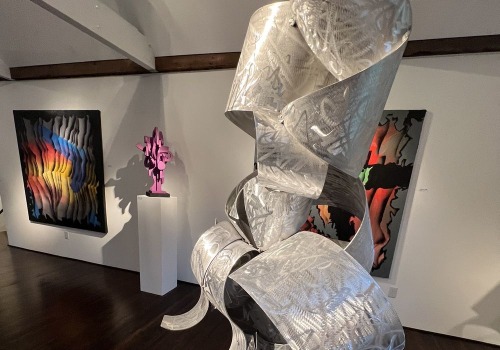
Temperature control is equally important in shared creative environments and exhibition spaces. Galleries in Fairfield County must maintain consistent conditions to protect displayed artwork while also providing a comfortable experience for visitors. Fluctuating temperatures can not only damage art pieces but also affect how audiences perceive them, as lighting and material textures can change under different environmental conditions. In collaborative studios, where multiple artists work together, maintaining a balanced climate ensures that everyone can operate efficiently without compromising their individual processes.
Adapting to Seasonal Variations
Fairfield County experiences a range of seasonal weather patterns, from humid summers to cold winters, making indoor climate management a year-round necessity. During warmer months, cooling systems prevent overheating and excessive humidity, while in colder seasons, heating systems maintain a stable and comfortable environment. This adaptability allows artists to continue their work uninterrupted, regardless of external conditions. By creating a consistent indoor climate, artists can maintain continuity in their projects and avoid delays caused by environmental challenges.
A Foundation for Artistic Excellence
Ultimately, temperature control serves as an essential foundation for artistic work in Fairfield County. It protects materials, enhances focus, and supports both individual and collaborative creative efforts. While often unnoticed, the role of climate control is deeply intertwined with the success and quality of artistic output. By investing in reliable systems and maintaining stable conditions, artists and galleries can ensure that their work is not only preserved but also created in an environment that fosters inspiration and excellence.